117 #enter #apple
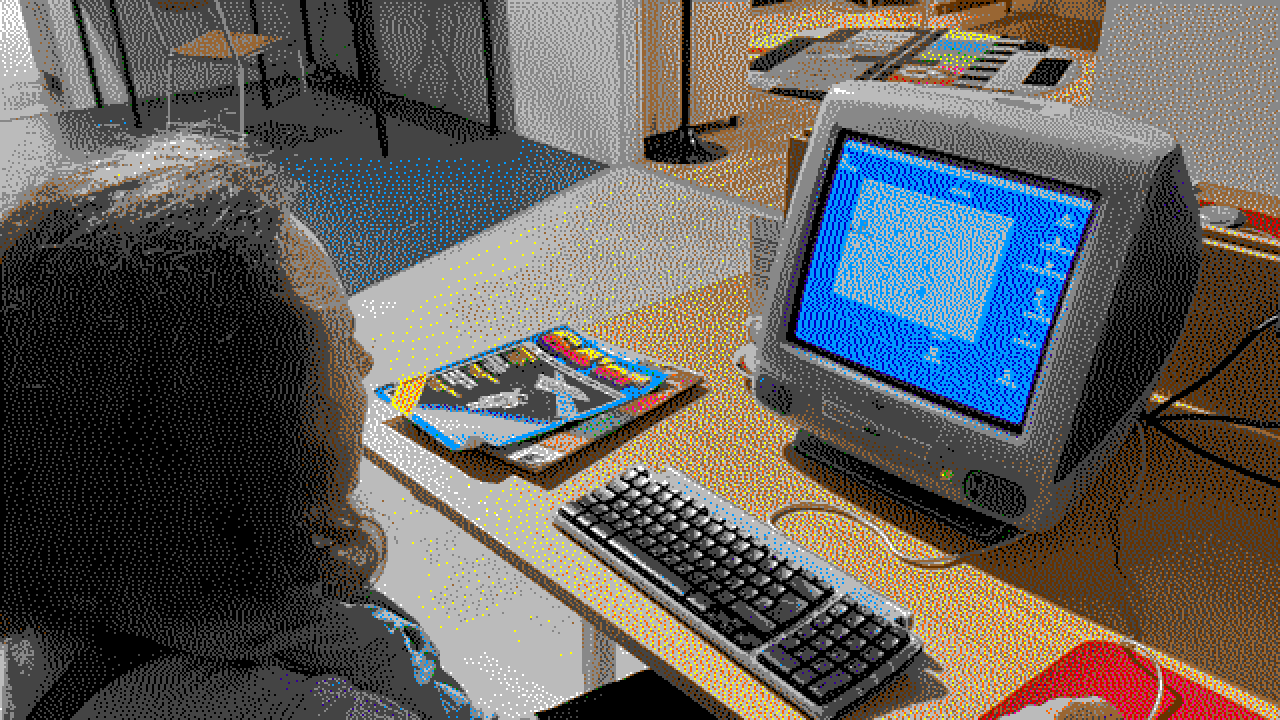


Visit ENTER.ch for opening hours, and more from the museum that inspired this post
The Apple //e computer was my first flame. Turns out, we have some common heritage: 'released' in the same year, we became fast friends a decade later: by the mid-90s, this was already the cheap, old, battle-tested hand-me-down staple of my elementary school computer room.
The Apple II and the demoscene, a late bloomer
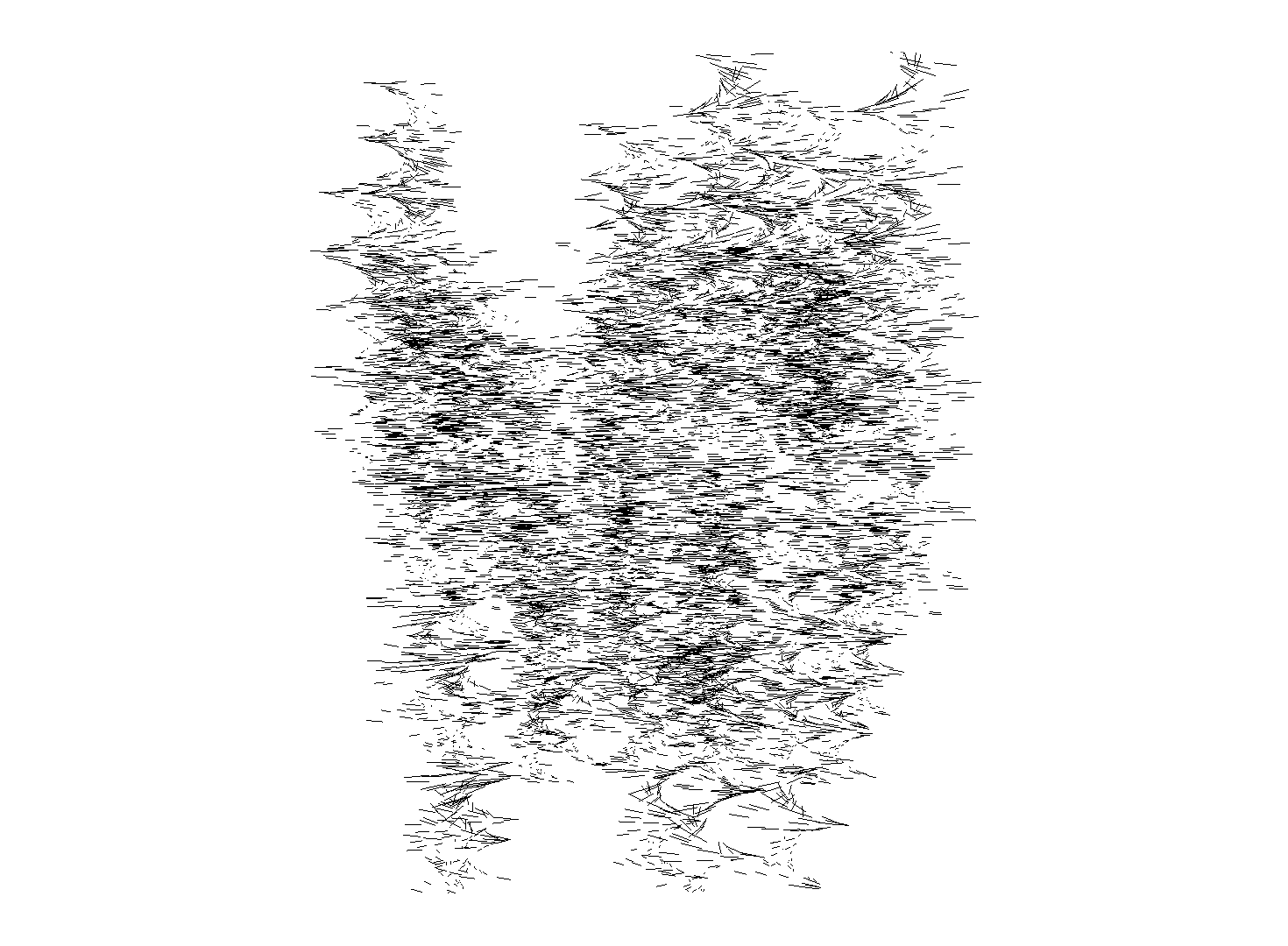
Demo effects were one of the first things I remember programming on this machine, featuring a 6502 CPU, 280×192 (at "high resolution"!) display, and two 5¼" disk drives. From today's perspective, it seems a glorified calculator, but at the time it was the only way I wanted to spend hundreds of quiet hours after school.

Out of the box, early Apples boot into a BASIC REPL: a prompt in which to punch in your code. Quality diskettes were in short supply, so I learned to painstakingly copy sources of interest, line-by-line, from the ubiquitous computer magazines of the time. For better or worse, that blinking prompt was my first window to the world, and had a formative effect on lifelong interest in computing.
 Contributors to Wikimedia projects
For more impressions of coding on an Apple 2, see my earlier coverage of Vintage Computer Festival (VCF)
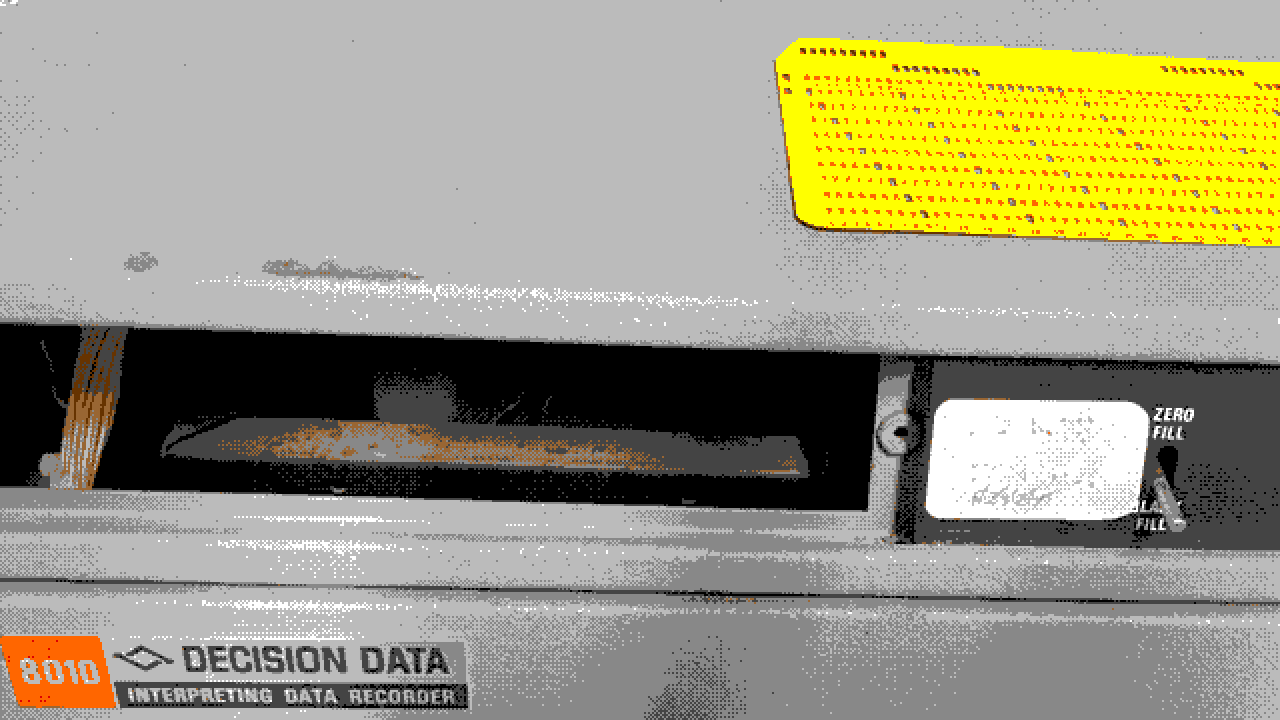
My parents entered their science programs on punch-cards, so the desktop computer was quite an innovation of their time. Fast forward to the age of AI chatbots: opening up to an empty prompt window and offering us the world at our command. Through text or voice (video coming soon), it is now my children's preferred way of interacting with the digital world.
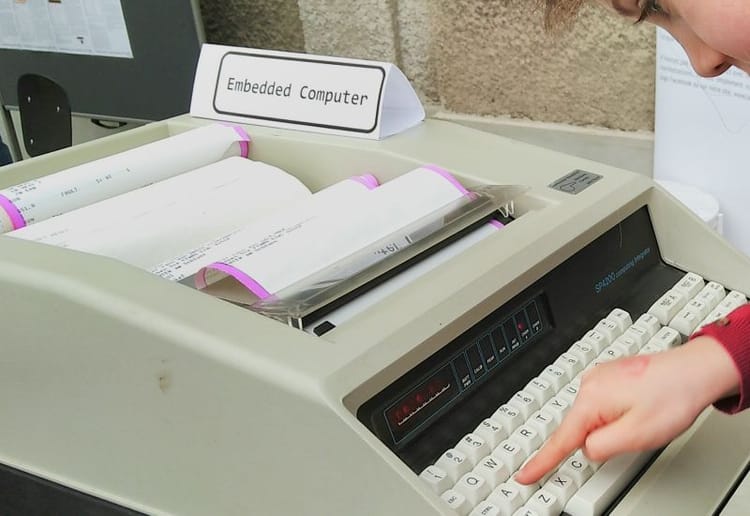
A view into the innards of ancient hardware at the ENTER museum
42 years since the launch of Apple 2e and the Apple Lisa, the world of computing presents itself in historical cycles. Like the Macintosh, IBM products and other 'serious' machines for business at the time, there are now more and less powerful machine learning models out there, more and less 'business-ready' clouds and AI 'ecosystems' contrasting with self-hosted and community-supported alternatives.
You can find excellent guides on these epochs at History Tools:
 history tools
Reliability matters, design delivers.
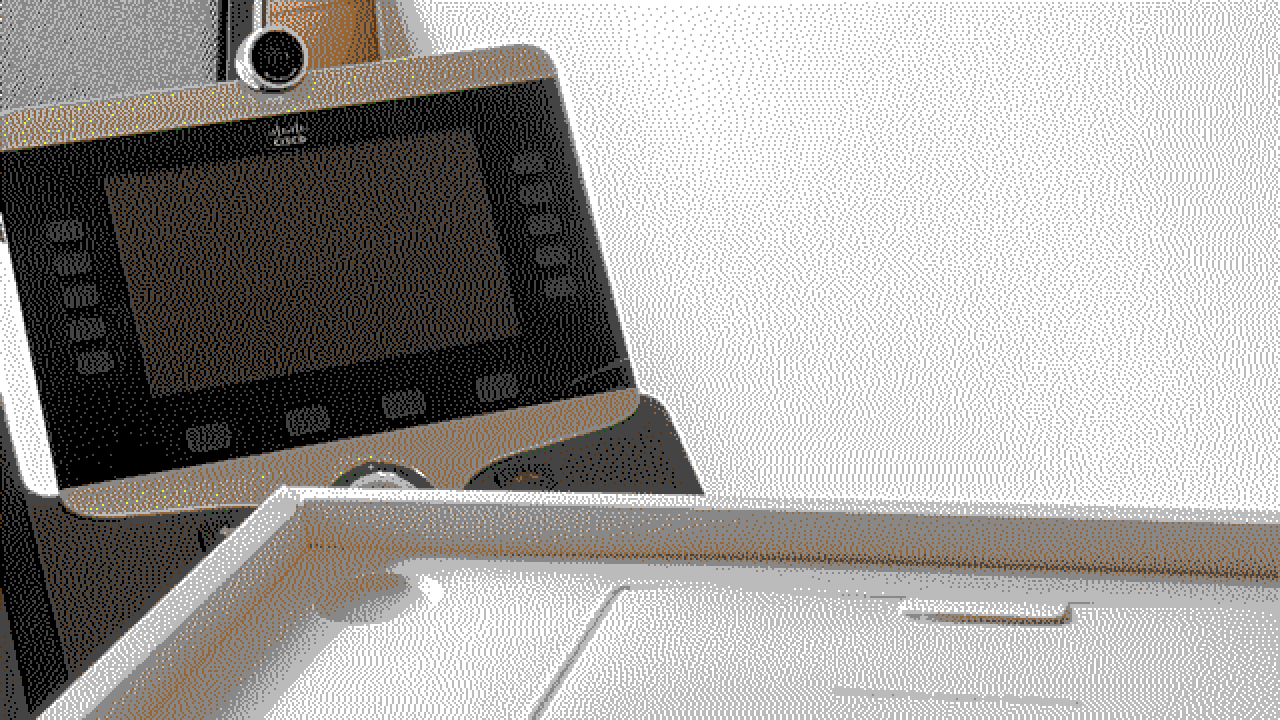
Consider that we similarly have separate audiences in this space – one more 'data budget' conscious, perhaps, another more willing to get a quick answer at any expense. Do we subscribe to one that is keen to experiment, tweak, hack and modify at a leisurely pace. Or the other, willing to move fast and break things? There is plenty of room for culture in computing!
After three decades, the iPhone has recently edged out my Fairphone, and now this blog is being typed out on a Macbook that sits next to my Linux laptop – a yin nestled into its yang. Friends who know me as an open source enthusiast and open hardware advocate, who have worked with me in the past and had to deal with my tendencies to extol the virtues of FOSS, may be surprised. This journey began in my student days with help from groups like GNU Generation. I've installed Linux on Macs, and it works perfectly well – thank you very much!
I find myself yearning again for that blinking prompt, the gratifying feedback loop of computation without the need for the crutch of a mouse cursor, or the sanitary space of a polished UI with mischievously rounded corners. It needs to be possible to access everything, do anything. All this can be done with a Unix terminal, necessitating a certain level of precision and somewhat monastic dedication. With today's ingenious LLMs transforming our natural language wishes into agentic workflows, I wonder: can we have our metacomputing cake – and eat it too?
Perhaps we are comparing Apples to Oranges, or, as they say around here: il ne faut pas de comparer des pommes et des poires.
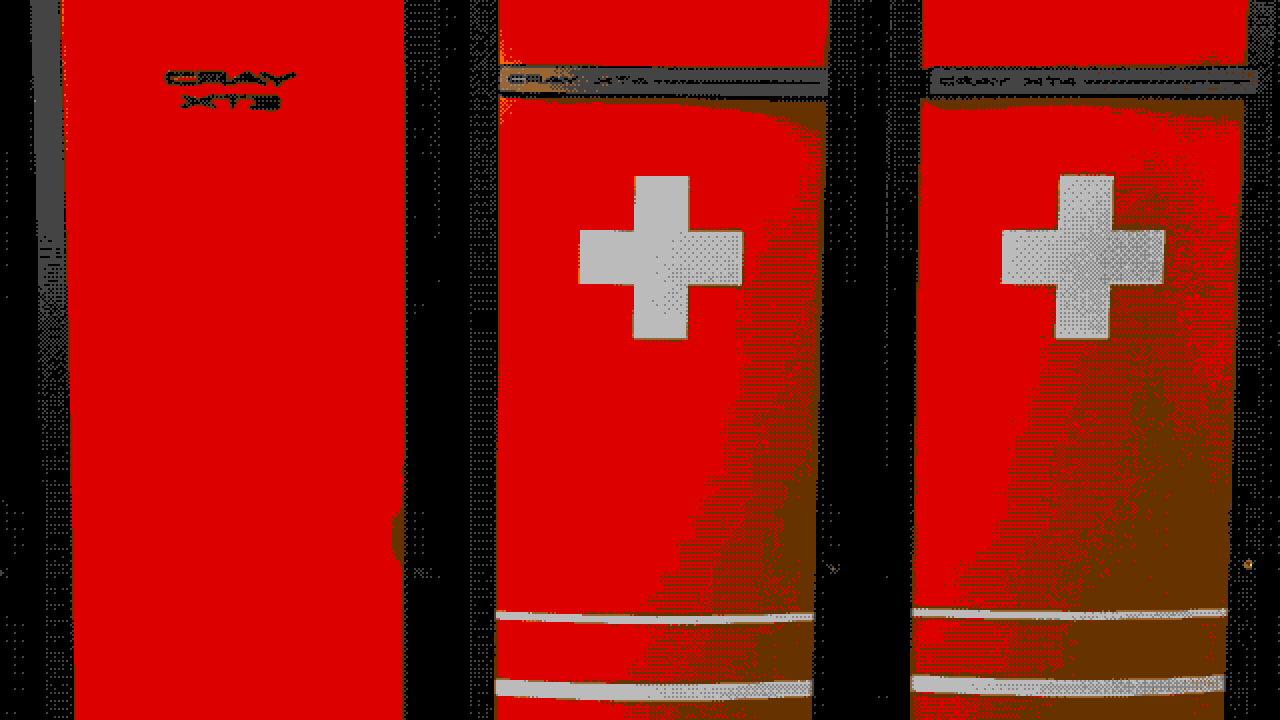
For a more factual and humorous historical foray into the annals of Swiss computing, I heartily recommend the blog post of my friend Thomas Weibel:
 Thomas Weibel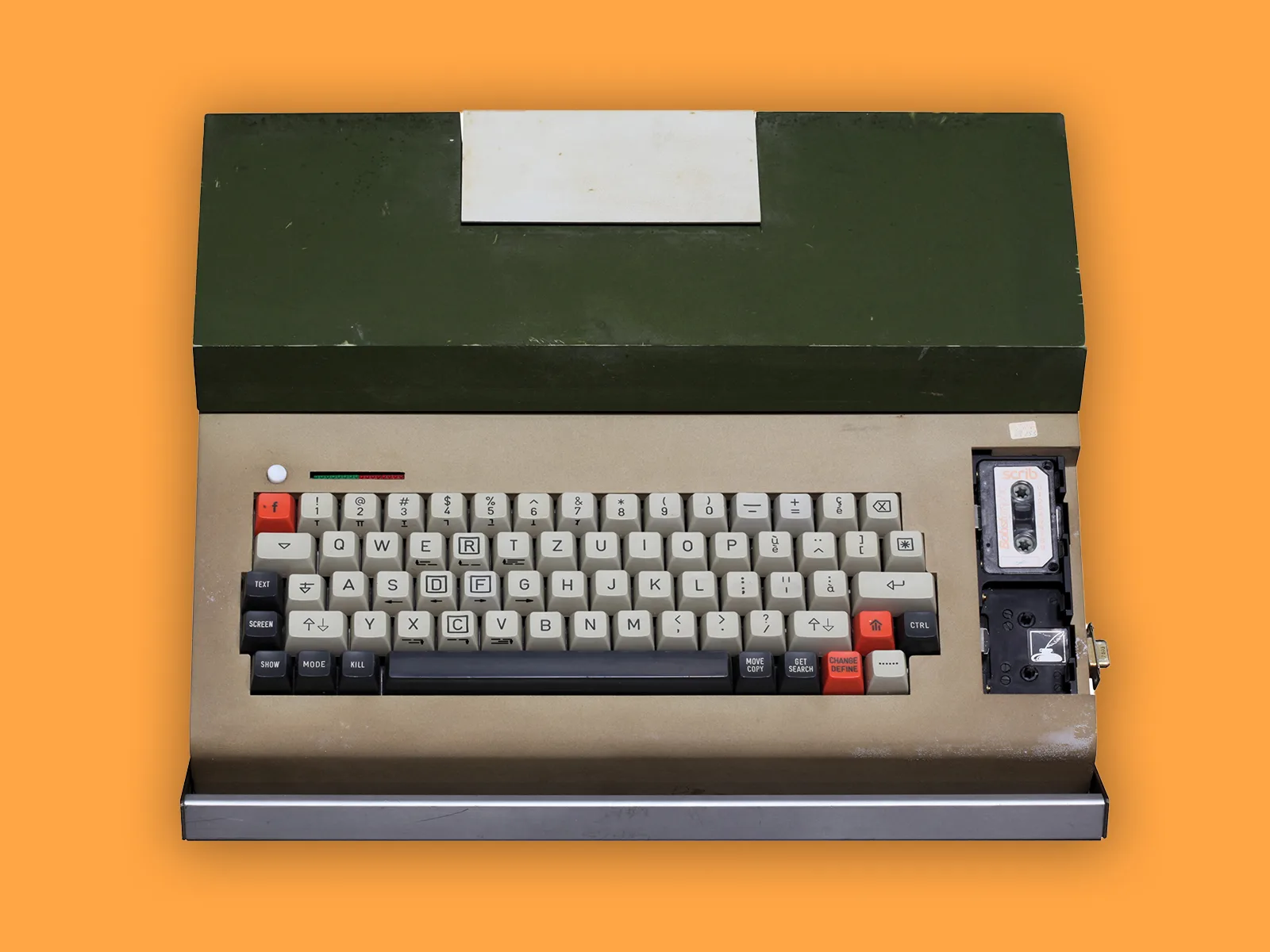
More Apple ][ nostalgia can be had thanks to active demoscene groups like French Touch:
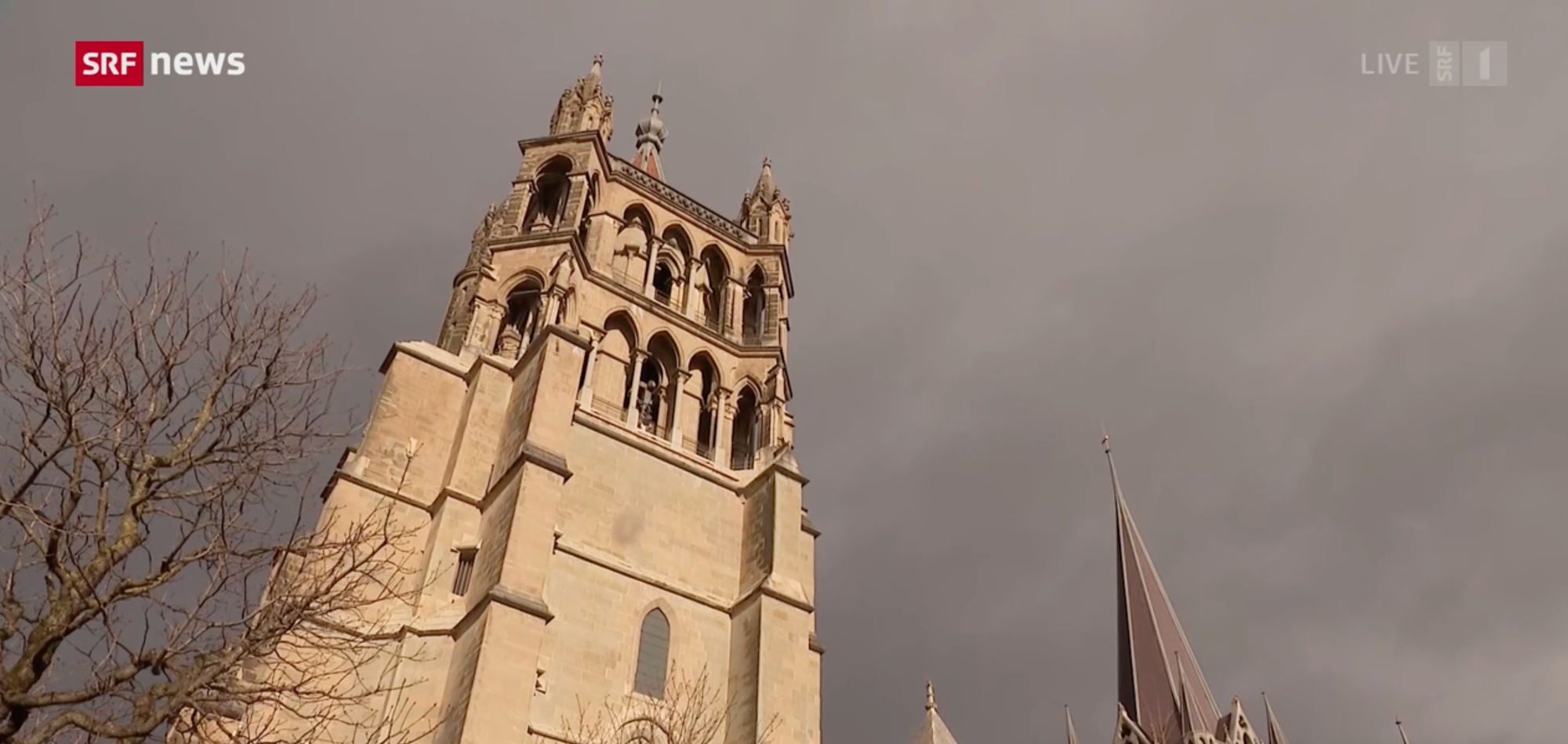
Time is passing, the bells ring solemnly for those we lost, and to remind us of that perpetual call to action: carpe diem!
 The works on this blog are licensed under a Creative Commons Attribution 4.0 International License